Essential Maintenance and Care for Your Sliding Doors: Tips and Tricks
Preserving sliding doors is essential for both performance and appearance. Regular upkeep can avoid frequent problems and increase their longevity. Straightforward actions like clearing tracks and oiling rollers can have a major impact. Despite this, many homeowners disregard these critical practices. Understanding the best techniques and recognizing when to call an expert can establish that sliding doors function properly. Review the critical techniques to enhance the functionality and aesthetics of these critical entryways.
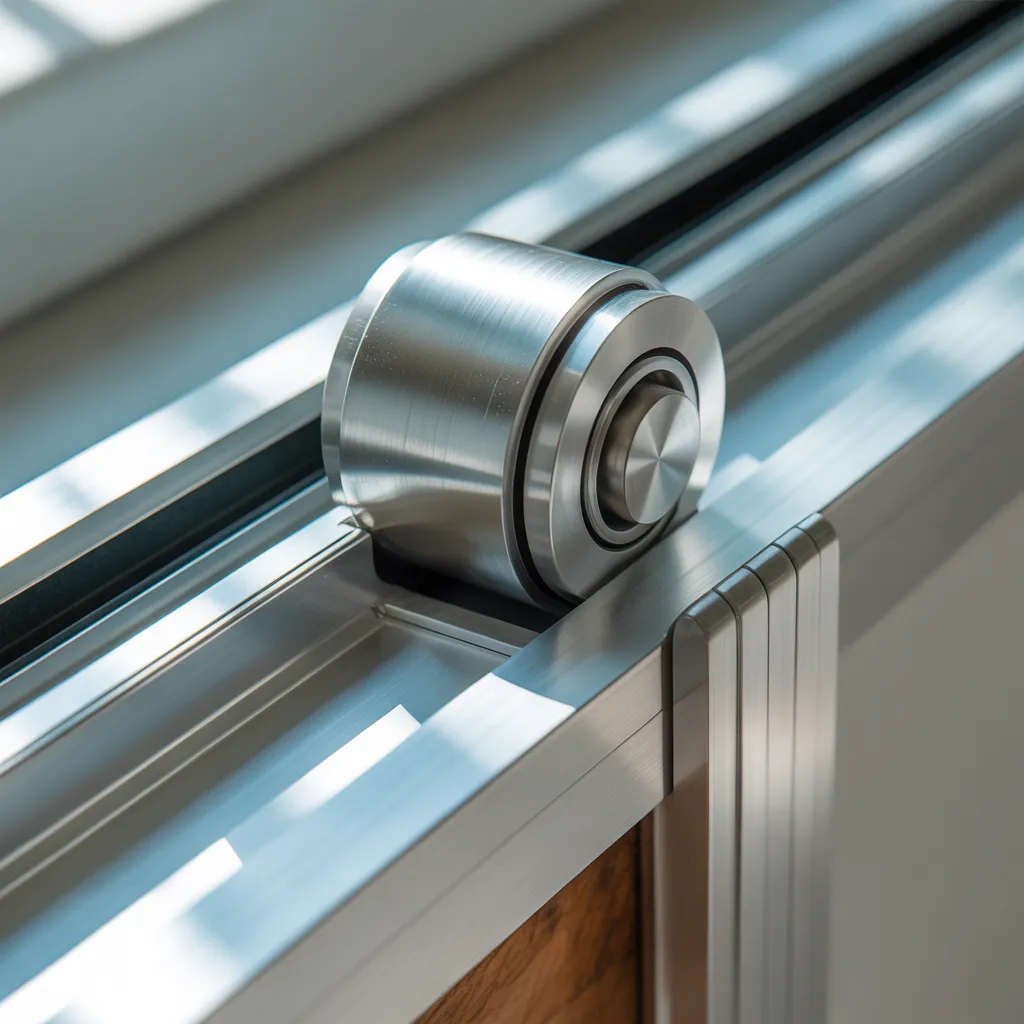
The Importance of Maintaining Your Sliding Doors
Preserving sliding doors is essential for guaranteeing their longevity and functionality. Routine upkeep stops minor issues from developing into major problems, which can be costly and time-consuming to address. Appropriate upkeep improves the doors' performance, ensuring smooth operation and avoiding operational issues or misalignment.
Ignoring regular upkeep may cause deterioration and damage, impacting both the appearance and structural integrity of the doors. Dirt, dust, and foreign particles can collect in the tracks, obstructing smooth operation and placing undue stress on the components. Additionally, regular inspections can identify potential issues, including degrading seals or corroding parts, facilitating early intervention and necessary fixes.
In the end, keeping sliding doors well-maintained not only protects their appearance but also supports energy efficiency by guaranteeing a proper seal against the elements. By making maintenance a priority, homeowners can improve the overall value and performance of their sliding doors, guaranteeing they continue to serve as a dependable element in their homes.
Must-Have Tools for Sliding Door Upkeep
A few essential tools can greatly simplify the maintenance of sliding doors. To begin with, a soft cloth or microfiber towel is essential for dusting and cleaning surfaces without causing scratches to the glass. Additionally, a vacuum cleaner equipped with a hose attachment can efficiently clear debris from the track and nearby areas. Using a small brush, such as an old toothbrush, allows you to effectively remove persistent dirt or grime that collects in narrow spaces.
In addition, a level guarantees that the door is correctly calibrated, preventing operational issues. A lubrication product uniquely crafted for sliding doors is equally essential for achieving seamless motion. To conclude, a screwdriver kit may be needed for minor adjustments or repairs. By keeping these tools available, residents can service their sliding doors with ease, boosting both usability and lifespan.
Step-by-Step Cleaning Methods for Sliding Doors
Washing sliding doors necessitates specific supplies and a systematic approach to guarantee ideal results. This guide details the necessary cleaning supplies, a methodical approach to thorough cleaning, and maintenance tips to enhance the longevity of the doors. Mastering these practices will sustain both usability and visual appeal.
Necessary Cleaning Supplies to Have
A thorough cleaning routine for sliding doors calls for some important supplies that help make the process smooth and effective. Starting with a soft microfiber cloth is crucial for steering clear of scratches while thoroughly picking up dust expert advice and grime. A gentle cleanser or a mixture of vinegar and water serves as a powerful yet safe cleaning solution. In addition, a small vacuum or a hand-held brush works well to eliminate debris from the tracks and prevent accumulation. For tougher stains, a non-abrasive sponge can be used. Finally, a narrow, flexible tool, such as an old toothbrush, is ideal for reaching tight spaces and corners. Once these supplies are gathered, keeping sliding doors looking great and functioning properly becomes an easy and manageable endeavor.
Step-by-Step Cleaning Process
With the right cleaning supplies gathered, the following step requires a methodical approach to maintaining sliding doors. To begin, it is best to eliminating loose dirt and debris from the tracks with the help of a soft brush or vacuum. Afterward, a light detergent blended with warm water can be spread across the glass and frame with a microfiber cloth, making sure all surfaces are thoroughly cleaned. For persistent stains, a soft glass cleaning solution may be employed. After cleaning, the surfaces should be rinsed with clear water to prevent residue buildup. Finally, wiping the glass dry with a lint-free cloth will eliminate any streaks. Regularly repeating this process will preserve the clarity and performance of the sliding doors.
Upkeep Tips for Long-Lasting Performance
Caring for sliding doors demands continuous attention to protect their longevity and smooth operation. Routine cleaning is crucial; dirt, dust, and grime can build up in the tracks, contributing to operational issues. A simple routine encompasses vacuuming the tracks and cleaning them with a moist cloth. Additionally, treating the rollers and tracks with silicone lubricant can prevent sticking and facilitate better gliding. Checking the door seals for deterioration is essential, as compromised seals can result in energy loss. Moreover, regularly inspecting the door alignment allows for early detection of misalignments, preventing more significant problems. In conclusion, handling scratches and chips without delay can maintain the door's exterior and improve its longevity. Such habits support the long-term operation of sliding doors.
Examining and Resolving Sliding Door Problems
Assessing and addressing sliding door problems is vital for maintaining functionality and security. Typical issues involve sticking tracks, misalignment, and worn-out rollers, which can frequently be fixed with standard tools. However, recognizing when a problem necessitates professional help is equally essential to guarantee long-term effectiveness.
Prevalent Sliding Door Troubles
Sliding doors are prone to various issues that hinder their functionality, making it essential to recognize and address these problems promptly. Common issues include misalignment, which commonly results from deterioration of the tracks or rollers. Such misalignment may result in the door sticking or failing to close correctly. Another prevalent concern is the accumulation of dirt and debris in the track, which can obstruct smooth movement. Furthermore, weather stripping can degrade with age, causing air leaks and decreased energy performance. Oxidation or corrosion on metal parts can similarly impact functionality. Detecting these issues at an early stage enables prompt action, ensuring the sliding door remains functional and secure, which in turn elevates the visual appeal and practicality of the space.
Gear for Swift Fixes
Identifying frequent sliding door issues is the first step toward efficient repairs. Important tools can considerably streamline the repair workflow. A screwdriver set is essential for securing or changing screws, while a utility knife can help clean and replace worn weather stripping. A level ensures that the door is properly aligned, preventing further issues. For particularly difficult problems, a hammer and chisel may be required to modify or extract stuck tracks. Lubricants such as silicone spray are also essential for maintaining efficient operation. Keeping a fundamental toolkit on hand enables homeowners to resolve minor issues promptly, enhancing the longevity and functionality of sliding doors. Regular inspections, combined with these tools, can avoid more significant repairs down the line.
When to Seek Professional Help
A great number of homeowners come across problems with their sliding doors that can be difficult to fix independently. When concerns such as persistent misalignment, difficulty in opening or closing, or unexpected sounds develop, it may be time to contemplate professional support. Experts have the necessary tools and knowledge to detect complex issues that may not be noticeable to the average homeowner, such as structural damage or deteriorated rollers. Additionally, if the sliding door has sustained significant damage or the tracks are extensively rusted, professional intervention is essential to secure both safety and performance. At the end of the day, recognizing the boundaries of DIY repairs can save homeowners time and money, promoting enduring satisfaction with their sliding doors.
How Lubrication Ensures Smooth Sliding
Keeping sliding doors functioning smoothly depends on proper lubrication. Adequate lubrication reduces friction between the door and its track, allowing for smooth and easy movement. With continued use, dirt and debris may build up, resulting in stiffness and possible damage. Regularly applying a suitable lubricant—such as silicone spray or a light oil—helps maintain functionality.
It is crucial to give the tracks a thorough cleaning before lubrication to eliminate any debris. A properly cleaned surface enables the lubricant to perform more efficiently, enhancing the door's glide. Additionally, care should be taken with the copyrights and rollers as these parts also need lubrication to perform at their best.
Using too much lubricant can attract more dirt, so moderation is key. To get the most effective results, a periodic check and treatment every few months can increase the longevity of sliding doors, ensuring they remain a functional and aesthetically pleasing feature in any home.
Seasonal Maintenance Tips for Peak Sliding Door Performance
Changing seasons can considerably influence the functionality of sliding doors, making regular care important. In winter, homeowners should confirm that ice and snow does not build up around the door track, as this can hinder operation. Consistently removing the tracks of dust and debris is vital, particularly in spring when dust and pollen are prevalent.
During summer, you should check for any warping that may occur due to heat. Maintaining a consistent environment can mitigate this issue. In addition, moisture levels may impact the door's alignment; using a dehumidifier may help.
In the fall season, fallen leaves may block the track, requiring regular cleaning. Checking seals and weather stripping during seasonal transitions may prevent air drafts and moisture penetration. By applying these seasonal upkeep recommendations, homeowners can guarantee their sliding doors remain functional and aesthetically pleasing throughout the year.
When You Should Contact a Professional for Repairs
Understanding the warning signs that a sliding door needs specialist intervention is essential for maintaining its performance and lifespan. Homeowners should be vigilant for issues such as difficulty in sliding, misalignment, or excessive noise. When the door refuses to shut properly or shows gaps that affect security or energy efficiency, contacting a qualified expert is strongly recommended.
In addition, visible damage to the rollers, tracks, or frame may indicate more serious underlying issues that require professional repair. A door that consistently derails or slips off its track poses a safety risk, calling for immediate corrective action.
Furthermore, persistent issues despite routine maintenance, such as standard lubrication and cleaning routines, suggest the requirement for skilled professional inspection. Overlooking these warning signs can cause more significant damage and costly repairs. By resolving concerns without delay through professional support, homeowners can extend the life of their sliding doors and guarantee they operate smoothly and safely.

Commonly Asked Questions
How Frequently Should I Clean My Sliding Doors?
Specialists advise servicing sliding doors a minimum of once per quarter. That said, frequency may increase depending on environmental conditions, such as dust or pollen exposure, requiring more consistent care to guarantee peak functionality and appearance.
Can I Use Vinegar for Cleaning Sliding Doors?
Yes, vinegar can be used to clean sliding doors. Its inherent acidic properties work efficiently to remove dirt and stains. However, it's advisable to dilute vinegar with water to avoid potential damage to certain door materials.
Which Lubricant Is Most Suitable for Sliding Doors?
Silicone-based lubricants work perfectly for sliding doors, as they decrease friction without drawing in dirt. Graphite powder is an additional choice, offering a dry lubricant that guards against rust and corrosion, maintaining smooth functionality over time.
Are Sliding Doors an Energy-Efficient Option?
Sliding doors have the potential to be energy-efficient provided they are well insulated and installed with double or triple-pane glazing. Their design minimizes airflow, reducing energy loss, however performance largely relies on the caliber of installation and the materials selected.
Is It Possible to Install Sliding Doors on My Own?
Absolutely, it is possible to handle sliding door installation as a DIY project, so long as they are equipped with the essential skills and tools. That said, accurate measurement, careful leveling, and compliance with manufacturer directions are vital for achieving a successful installation and peak functionality.